
Search
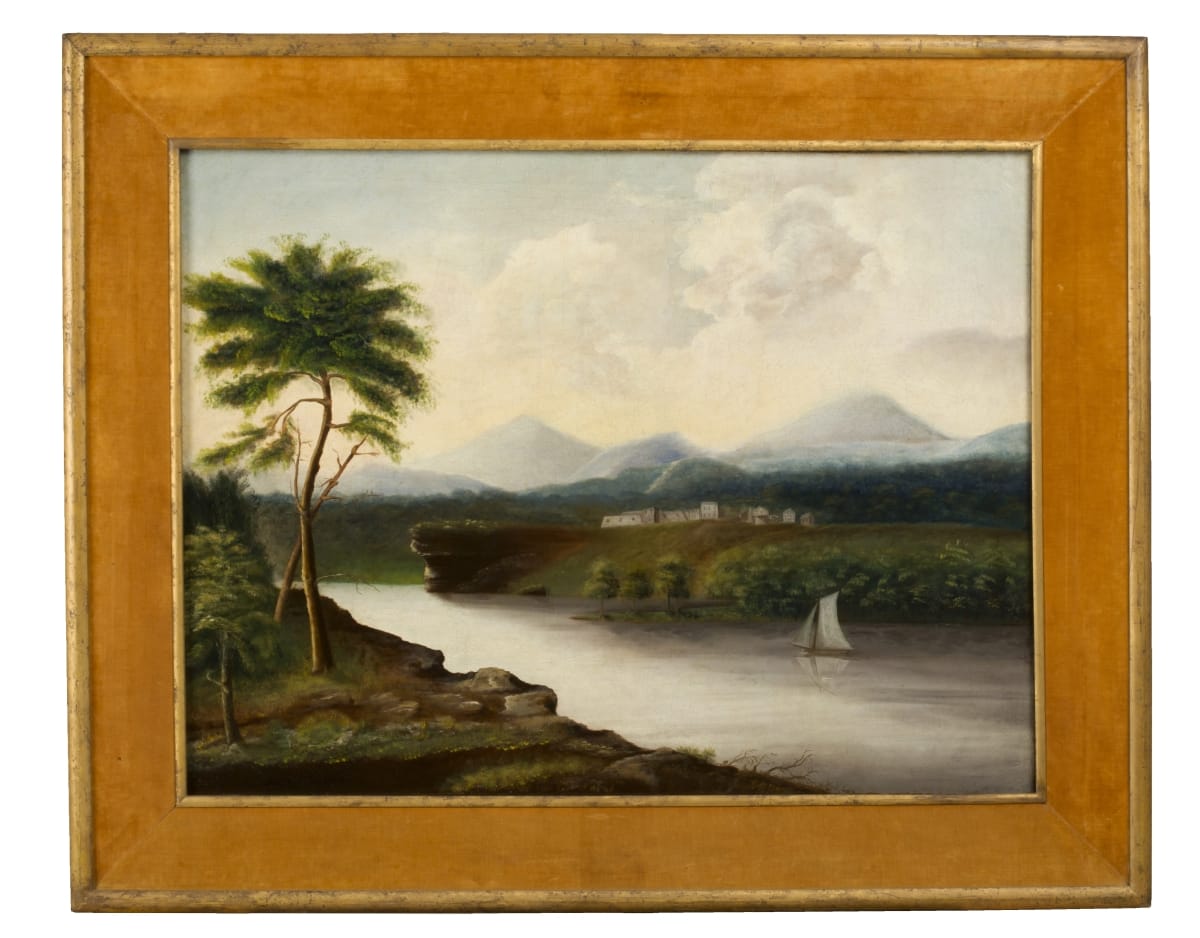
- Oil Painting, Fort Ticonderoga by George Washington Mark, circa 1845 - George Washington Mark was a successful house, sign, and furniture painter in Greenfield, Massachusetts, in the early 1800s. Sometime in the 1830s and 40s, he tried his hand at more artistic endeavors creating paintings of local interest -- generally landscapes and historic subjects. Around 1845, Mark painted this work depicting the ruins of New York's historic Fort Ticonderoga.
- circa 1845
- Collections - Artifact
Oil Painting, Fort Ticonderoga by George Washington Mark, circa 1845
George Washington Mark was a successful house, sign, and furniture painter in Greenfield, Massachusetts, in the early 1800s. Sometime in the 1830s and 40s, he tried his hand at more artistic endeavors creating paintings of local interest -- generally landscapes and historic subjects. Around 1845, Mark painted this work depicting the ruins of New York's historic Fort Ticonderoga.
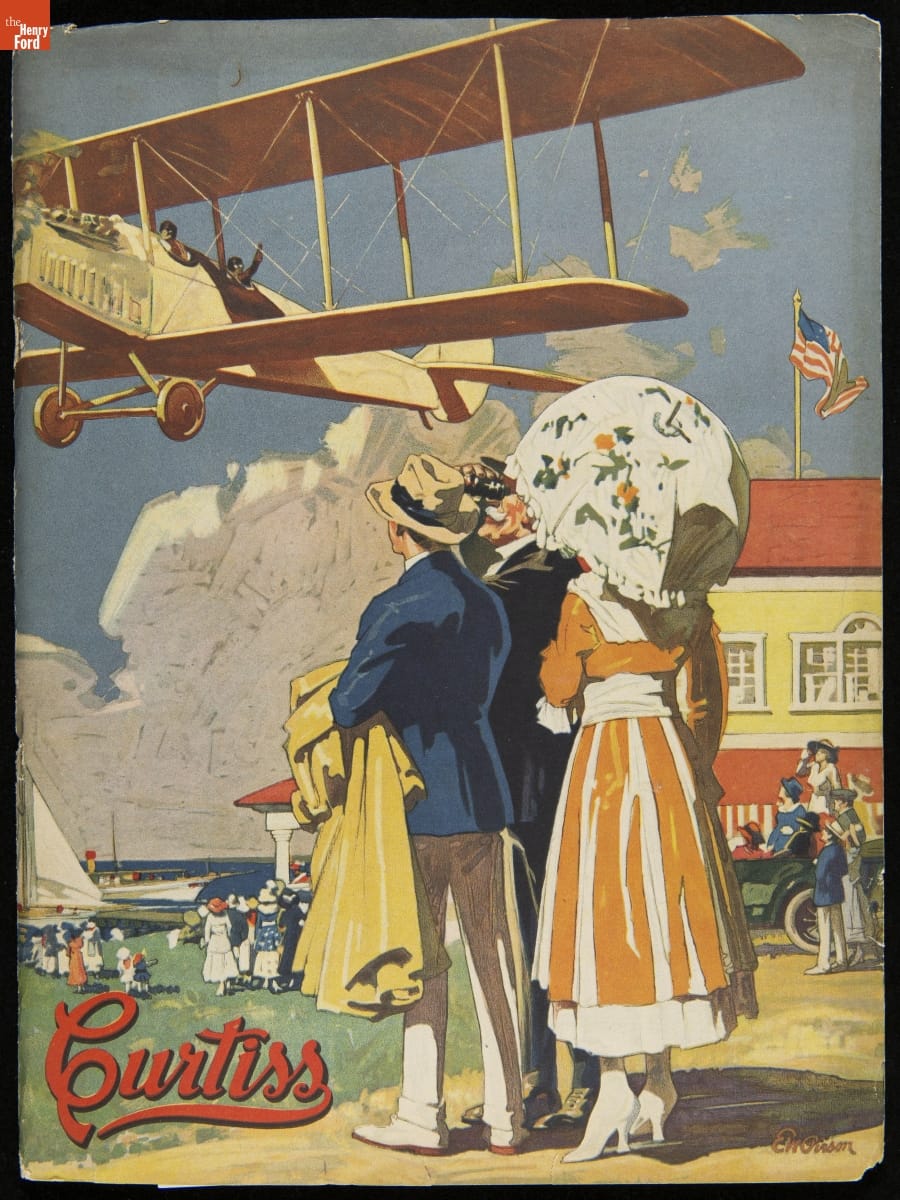
- Curtiss Aeroplane Co. Trade Catalog, "Curtiss Flying Boats, Aeronautical Motors, Aeroplanes, Hydroaeroplanes," 1917 - Glenn Curtiss established what would become the Curtiss Aeroplane and Motor Company in his hometown of Hammondsport, New York, in 1909. As military orders soared during World War I, Curtiss relocated the company to Buffalo, New York, in 1916. Curtiss's firm was acquired by Willys-Overland the following year, and it merged with the Wright Company in 1929.
- 1917
- Collections - Artifact
Curtiss Aeroplane Co. Trade Catalog, "Curtiss Flying Boats, Aeronautical Motors, Aeroplanes, Hydroaeroplanes," 1917
Glenn Curtiss established what would become the Curtiss Aeroplane and Motor Company in his hometown of Hammondsport, New York, in 1909. As military orders soared during World War I, Curtiss relocated the company to Buffalo, New York, in 1916. Curtiss's firm was acquired by Willys-Overland the following year, and it merged with the Wright Company in 1929.
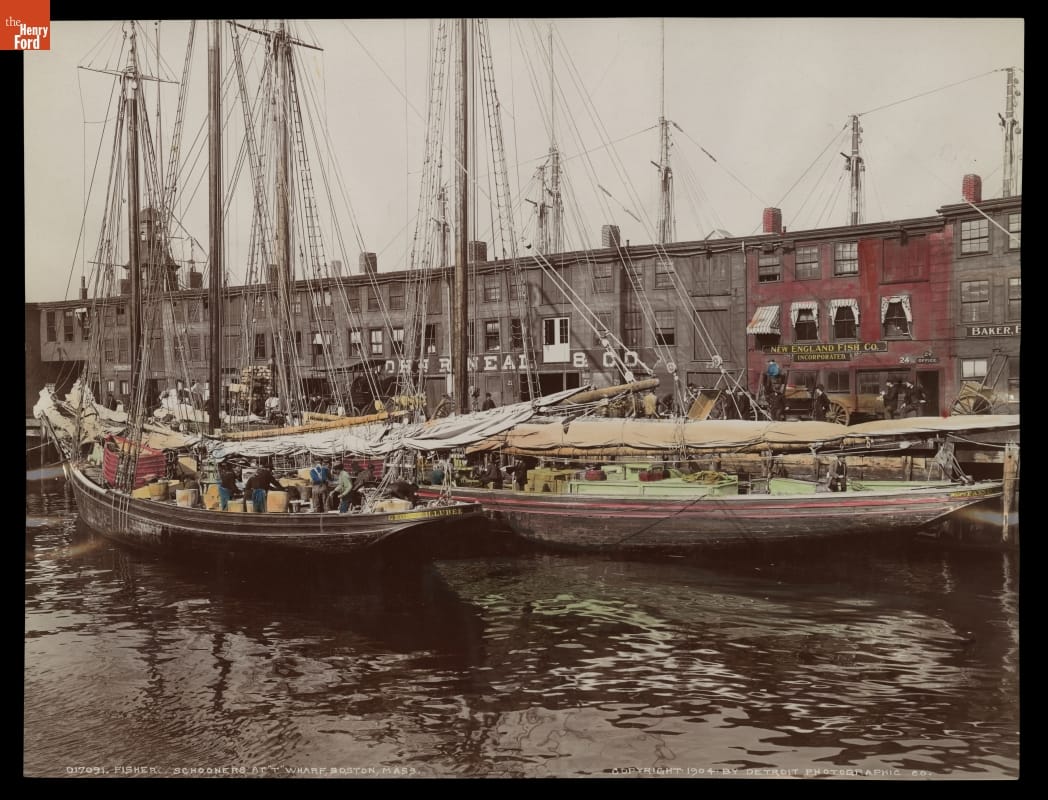
- "Fishers Schooners at 'T' Wharf, Boston, Massachusetts," 1904 -
- 1904
- Collections - Artifact
"Fishers Schooners at 'T' Wharf, Boston, Massachusetts," 1904
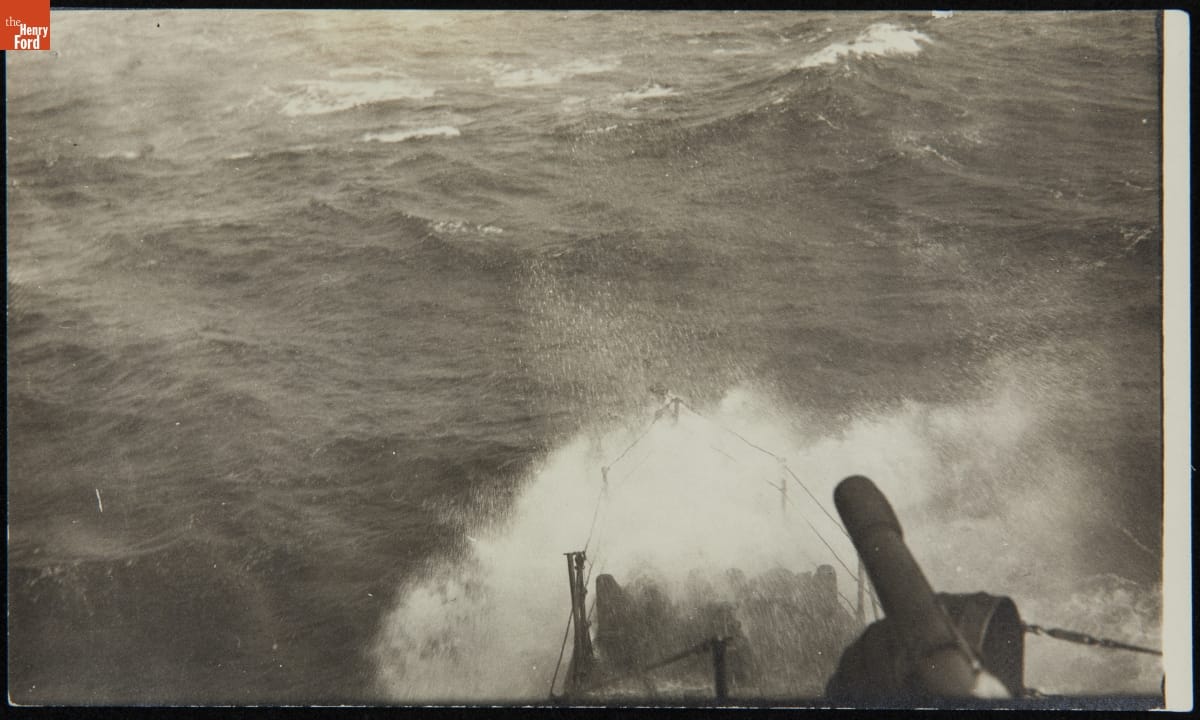
- View Over the Bow of USS Eagle 3, Bound for Arkhangelsk, May-June 1919 - World War I ended before any of the 60 Ford-built Eagle submarine chasers could participate in the conflict. But three Eagle boats were sent to northern Russia in 1919 to aid the American Expeditionary Force in action against the Bolsheviks. The Americans landed at Arkhangelsk, near the Arctic Circle, and called themselves the "Polar Bears."
- May 1919-June 1919
- Collections - Artifact
View Over the Bow of USS Eagle 3, Bound for Arkhangelsk, May-June 1919
World War I ended before any of the 60 Ford-built Eagle submarine chasers could participate in the conflict. But three Eagle boats were sent to northern Russia in 1919 to aid the American Expeditionary Force in action against the Bolsheviks. The Americans landed at Arkhangelsk, near the Arctic Circle, and called themselves the "Polar Bears."
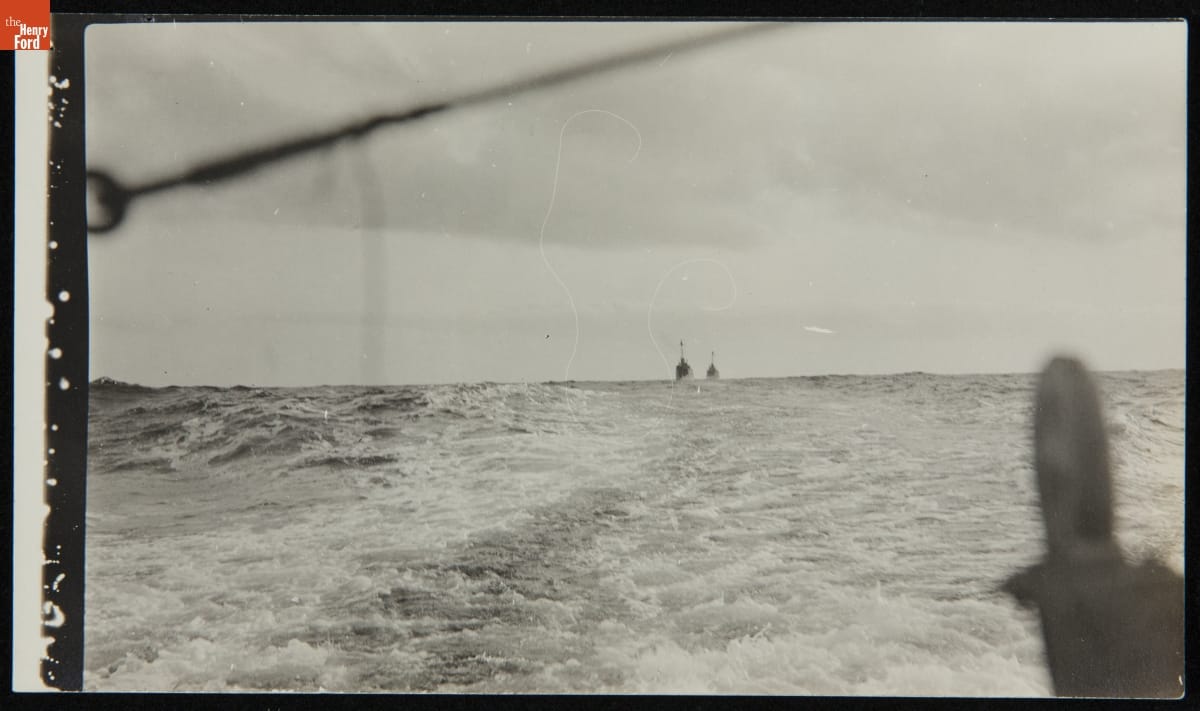
- USS Eagles 1 and 2 from the Stern of Eagle 3 on the English Channel, Bound for Arkhangelsk, May 1919 - World War I ended before any of the 60 Ford-built Eagle submarine chasers could participate in the conflict. But three Eagle boats were sent to northern Russia in 1919 to aid the American Expeditionary Force in action against the Bolsheviks. The Americans landed at Arkhangelsk, near the Arctic Circle, and called themselves the "Polar Bears."
- May 01, 1919
- Collections - Artifact
USS Eagles 1 and 2 from the Stern of Eagle 3 on the English Channel, Bound for Arkhangelsk, May 1919
World War I ended before any of the 60 Ford-built Eagle submarine chasers could participate in the conflict. But three Eagle boats were sent to northern Russia in 1919 to aid the American Expeditionary Force in action against the Bolsheviks. The Americans landed at Arkhangelsk, near the Arctic Circle, and called themselves the "Polar Bears."
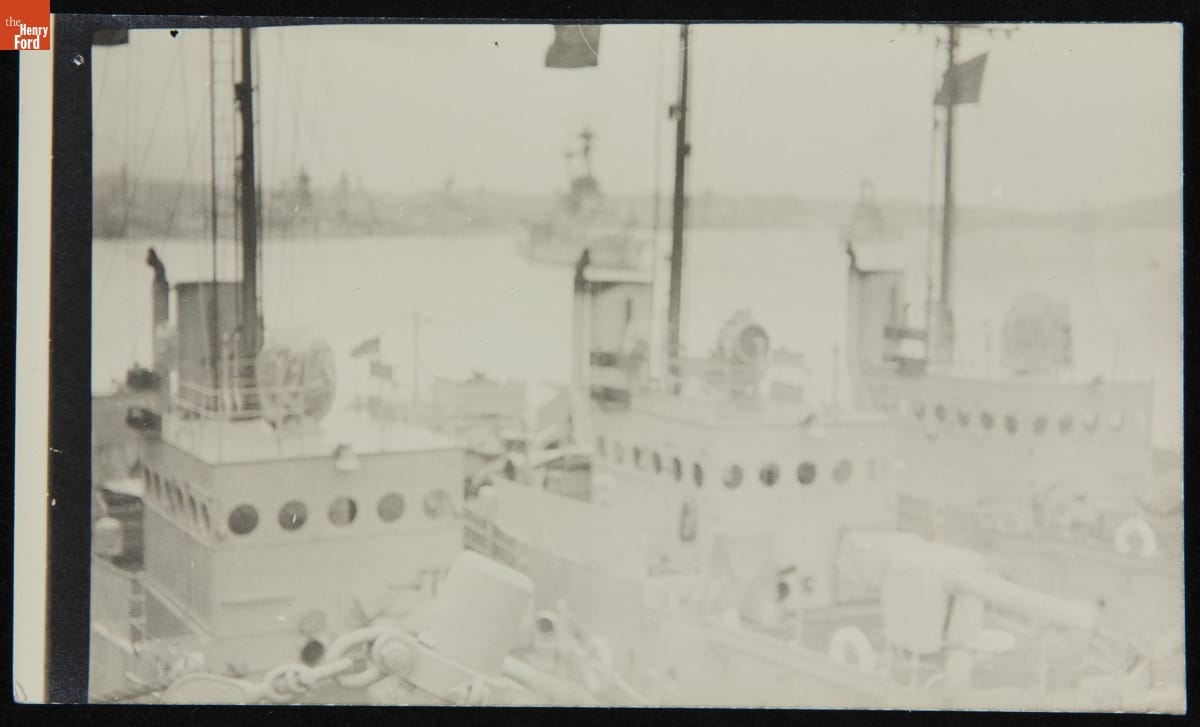
- USS Eagles 1, 2, and 3 at Plymouth, England, Bound for Arkhangelsk, May 1919 - World War I ended before any of the 60 Ford-built Eagle submarine chasers could participate in the conflict. But three Eagle boats were sent to northern Russia in 1919 to aid the American Expeditionary Force in action against the Bolsheviks. The Americans landed at Arkhangelsk, near the Arctic Circle, and called themselves the "Polar Bears."
- May 01, 1919
- Collections - Artifact
USS Eagles 1, 2, and 3 at Plymouth, England, Bound for Arkhangelsk, May 1919
World War I ended before any of the 60 Ford-built Eagle submarine chasers could participate in the conflict. But three Eagle boats were sent to northern Russia in 1919 to aid the American Expeditionary Force in action against the Bolsheviks. The Americans landed at Arkhangelsk, near the Arctic Circle, and called themselves the "Polar Bears."
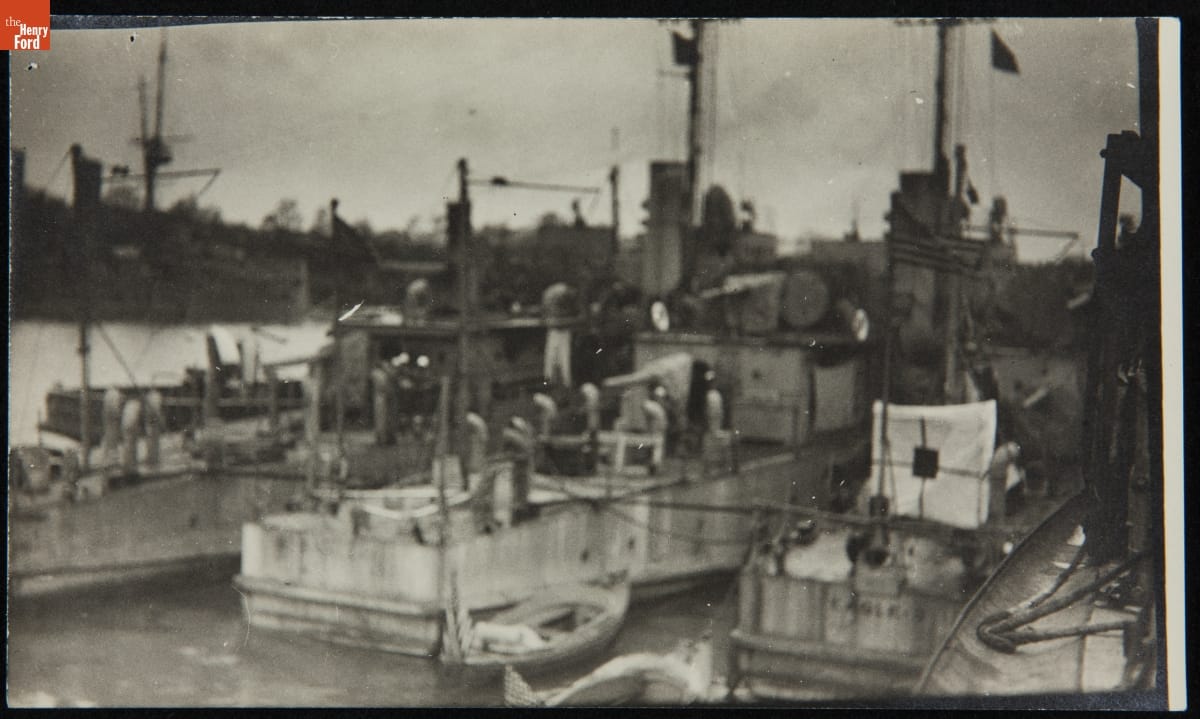
- USS Eagles 1, 2, and 3 at Plymouth, England, Bound for Arkhangelsk, May 1919 - World War I ended before any of the 60 Ford-built Eagle submarine chasers could participate in the conflict. But three Eagle boats were sent to northern Russia in 1919 to aid the American Expeditionary Force in action against the Bolsheviks. The Americans landed at Arkhangelsk, near the Arctic Circle, and called themselves the "Polar Bears."
- May 01, 1919
- Collections - Artifact
USS Eagles 1, 2, and 3 at Plymouth, England, Bound for Arkhangelsk, May 1919
World War I ended before any of the 60 Ford-built Eagle submarine chasers could participate in the conflict. But three Eagle boats were sent to northern Russia in 1919 to aid the American Expeditionary Force in action against the Bolsheviks. The Americans landed at Arkhangelsk, near the Arctic Circle, and called themselves the "Polar Bears."
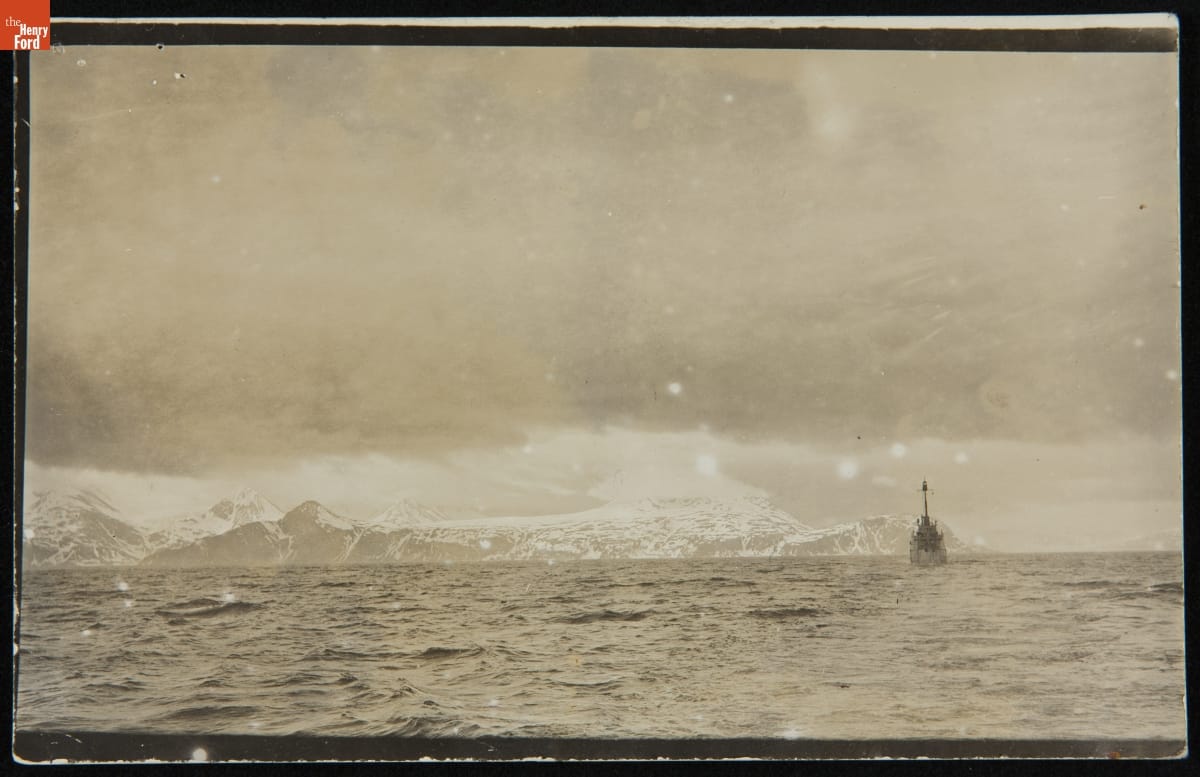
- Hammerfest, Norway from USS Eagle 3, Bound for Arkhangelsk, May 20, 1919 - World War I ended before any of the 60 Ford-built Eagle submarine chasers could participate in the conflict. But three Eagle boats were sent to northern Russia in 1919 to aid the American Expeditionary Force in action against the Bolsheviks. The Americans landed at Arkhangelsk, near the Arctic Circle, and called themselves the "Polar Bears."
- May 20, 1919
- Collections - Artifact
Hammerfest, Norway from USS Eagle 3, Bound for Arkhangelsk, May 20, 1919
World War I ended before any of the 60 Ford-built Eagle submarine chasers could participate in the conflict. But three Eagle boats were sent to northern Russia in 1919 to aid the American Expeditionary Force in action against the Bolsheviks. The Americans landed at Arkhangelsk, near the Arctic Circle, and called themselves the "Polar Bears."
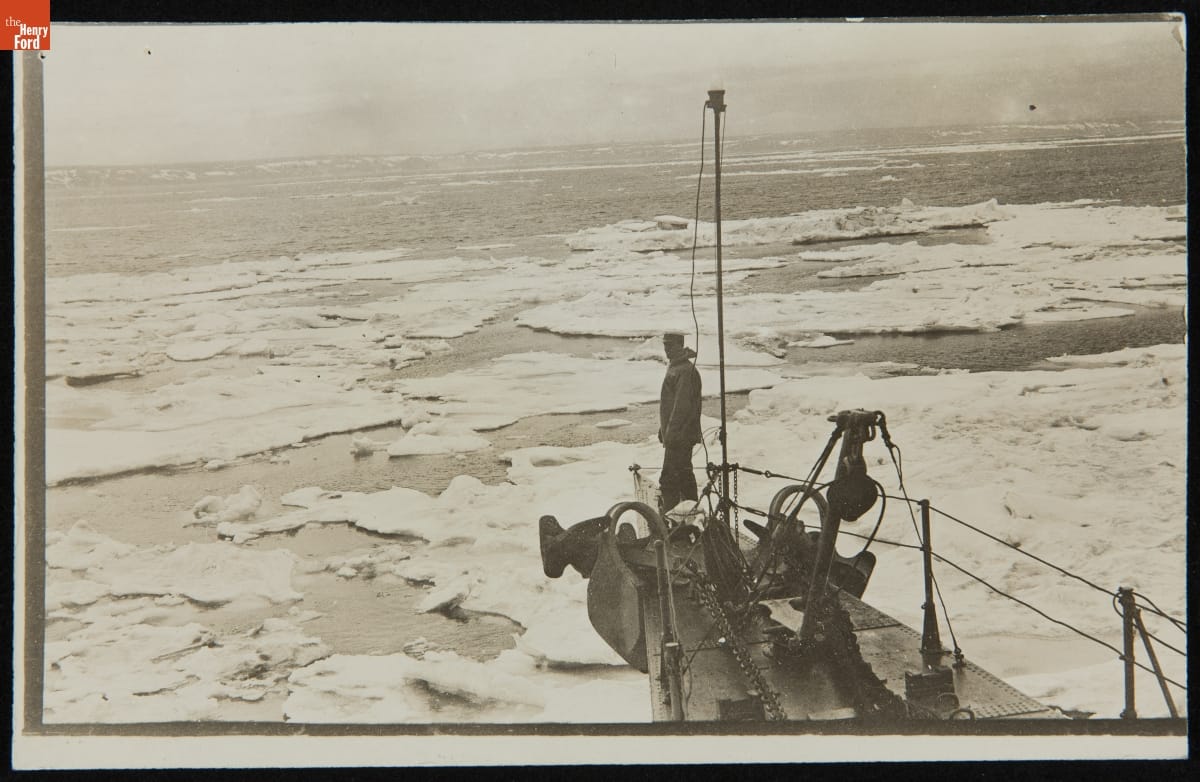
- USS Eagle Boat off Northern Russia, Bound for Arkhangelsk, June 14, 1919 - World War I ended before any of the 60 Ford-built Eagle submarine chasers could participate in the conflict. But three Eagle boats were sent to northern Russia in 1919 to aid the American Expeditionary Force in action against the Bolsheviks. The Americans landed at Arkhangelsk, near the Arctic Circle, and called themselves the "Polar Bears."
- June 14, 1919
- Collections - Artifact
USS Eagle Boat off Northern Russia, Bound for Arkhangelsk, June 14, 1919
World War I ended before any of the 60 Ford-built Eagle submarine chasers could participate in the conflict. But three Eagle boats were sent to northern Russia in 1919 to aid the American Expeditionary Force in action against the Bolsheviks. The Americans landed at Arkhangelsk, near the Arctic Circle, and called themselves the "Polar Bears."
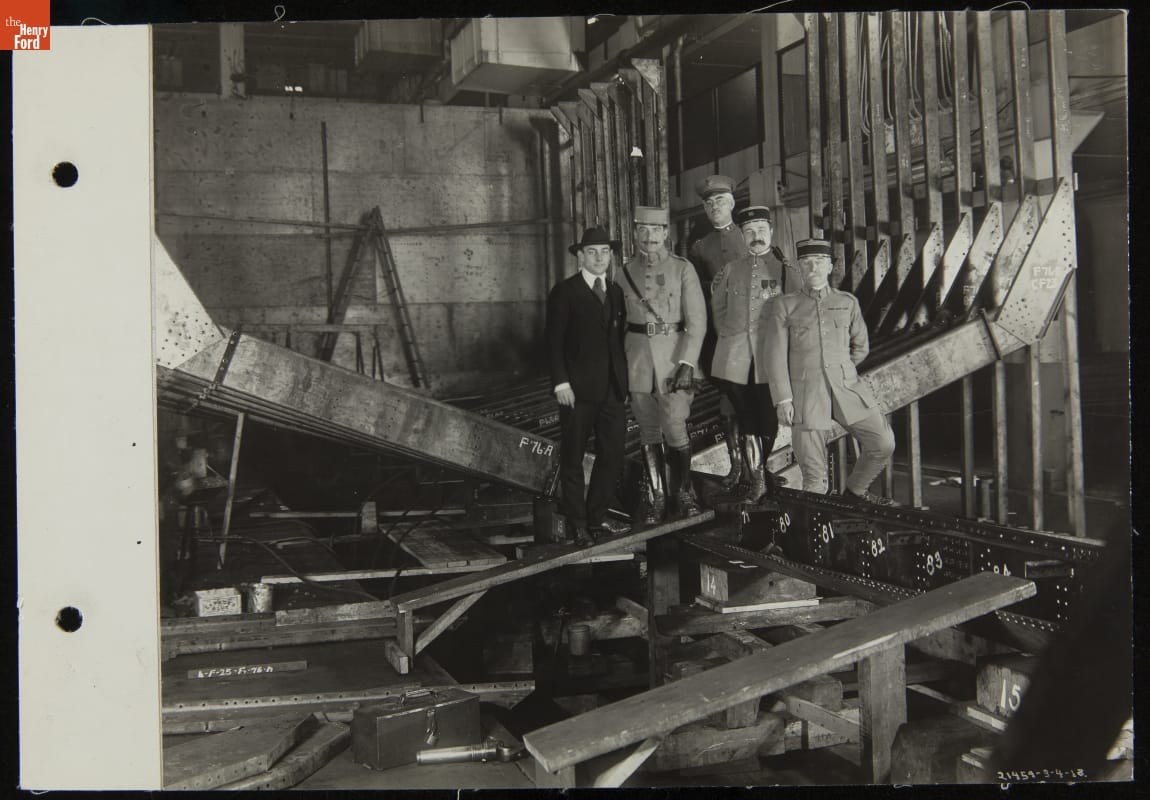
- French Officers Inspecting Prototype Eagle Boat Being Built at the Ford Highland Park Plant, April 1918 - During World War I, Ford Motor Company built Eagle anti-submarine patrol boats for the U.S. Navy. Ford assembled the prototype boat at Highland Park and then moved it, on railroad flatcars, to the Rouge. The remaining Eagle hulls were constructed on site at the Rouge, but Ford continued to build the boats' turbine engines and propulsion systems at Highland Park.
- April 09, 1918
- Collections - Artifact
French Officers Inspecting Prototype Eagle Boat Being Built at the Ford Highland Park Plant, April 1918
During World War I, Ford Motor Company built Eagle anti-submarine patrol boats for the U.S. Navy. Ford assembled the prototype boat at Highland Park and then moved it, on railroad flatcars, to the Rouge. The remaining Eagle hulls were constructed on site at the Rouge, but Ford continued to build the boats' turbine engines and propulsion systems at Highland Park.