
Search
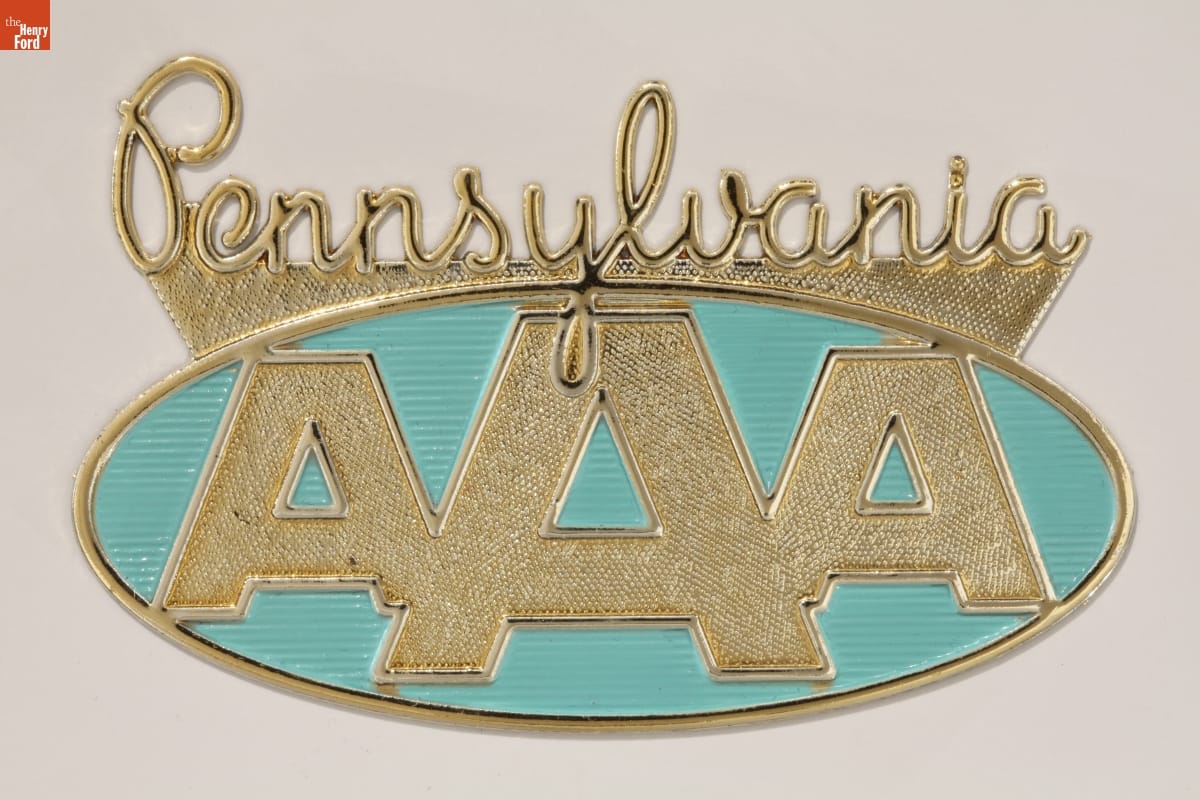
- Pennsylvania AAA Badge, 1955-1965 - Twentieth-century motorists who belonged to automobile clubs attached badges or emblems to their vehicles. These membership badges were displayed prominently on radiators, license plates, bumpers, or elsewhere on the car. The badges helped identify members and promoted the organization. Members of the Pennsylvania American Automobile Association used badges like this one during the mid-1950s and 1960s.
- 1955-1965
- Collections - Artifact
Pennsylvania AAA Badge, 1955-1965
Twentieth-century motorists who belonged to automobile clubs attached badges or emblems to their vehicles. These membership badges were displayed prominently on radiators, license plates, bumpers, or elsewhere on the car. The badges helped identify members and promoted the organization. Members of the Pennsylvania American Automobile Association used badges like this one during the mid-1950s and 1960s.
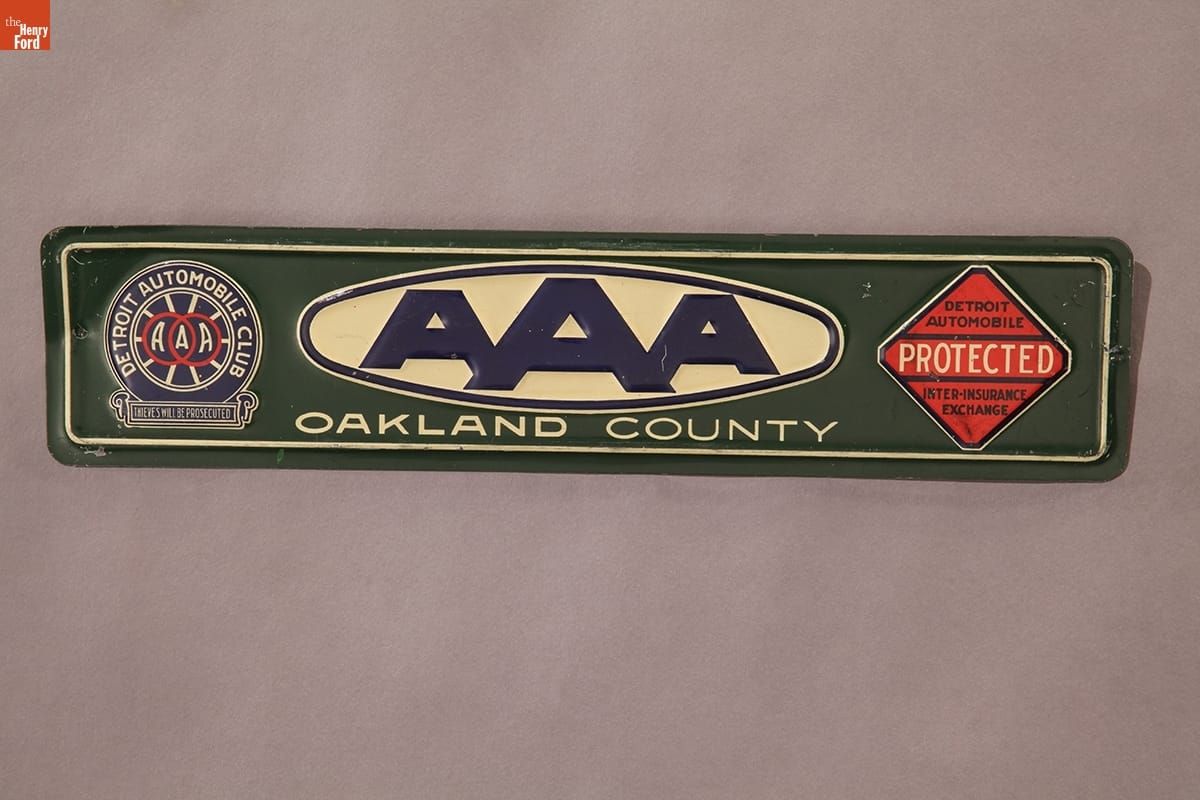
- AAA Oakland County Michigan Sign, 1925-1940 - The Detroit Automobile Club was established in 1916. Over the years, the club arranged auto tours, lobbied for motorist-friendly legislation, promoted road and highway improvements, and encouraged tourism in Michigan. Its work continues today under the banner of the Auto Club Group, the second-largest AAA club in North America.
- 1925-1940
- Collections - Artifact
AAA Oakland County Michigan Sign, 1925-1940
The Detroit Automobile Club was established in 1916. Over the years, the club arranged auto tours, lobbied for motorist-friendly legislation, promoted road and highway improvements, and encouraged tourism in Michigan. Its work continues today under the banner of the Auto Club Group, the second-largest AAA club in North America.
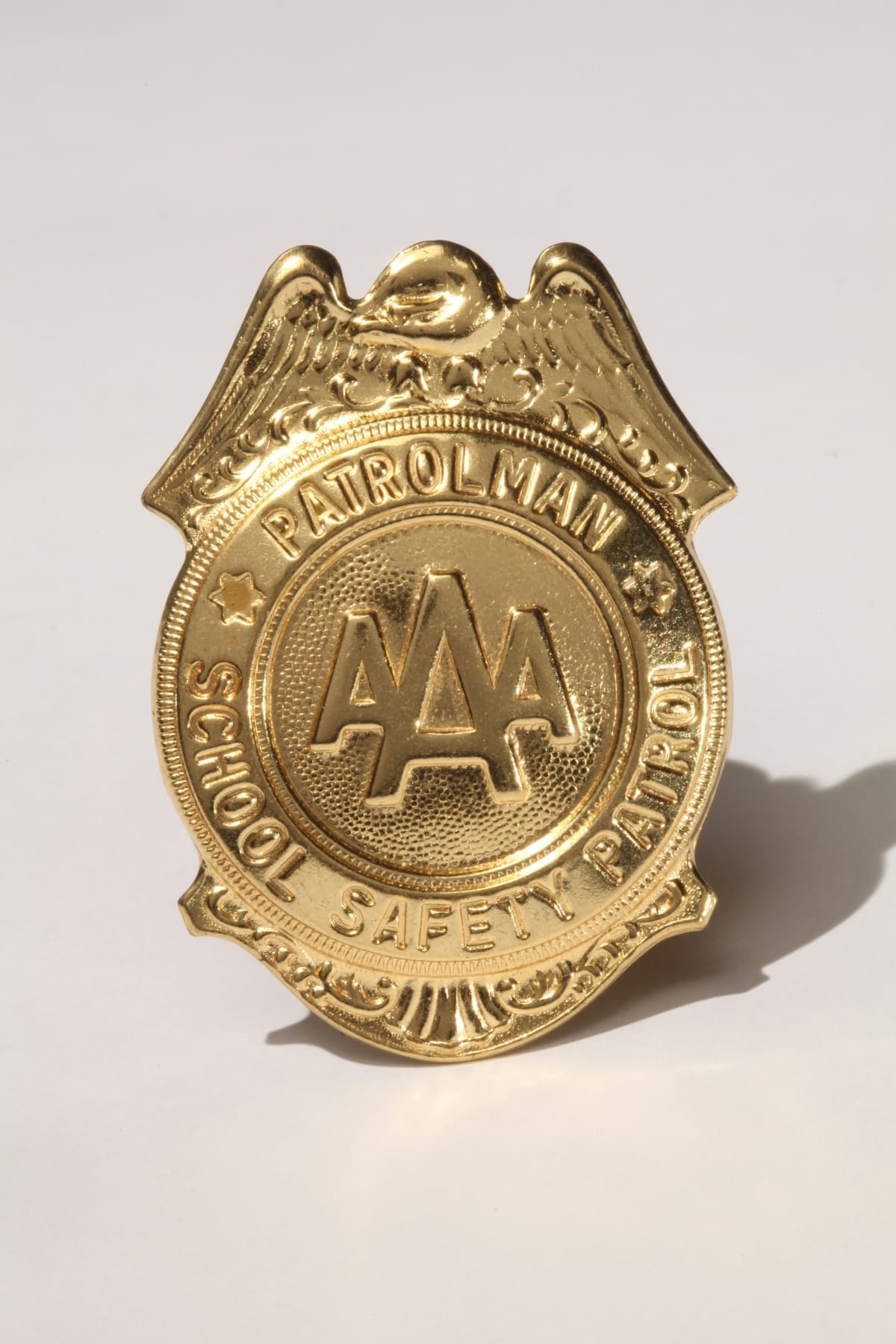
- AAA School Safety Patrolman Badge, 1950-1965 - In 1920, the American Automobile Association (AAA) launched a safety program to protect school children from traffic dangers. School-aged patrollers, under adult supervision, wear belts and badges and help their classmates make it safely to school. Student patrollers in the 1950s and '60s wore badges similar to this one.
- 1950-1965
- Collections - Artifact
AAA School Safety Patrolman Badge, 1950-1965
In 1920, the American Automobile Association (AAA) launched a safety program to protect school children from traffic dangers. School-aged patrollers, under adult supervision, wear belts and badges and help their classmates make it safely to school. Student patrollers in the 1950s and '60s wore badges similar to this one.
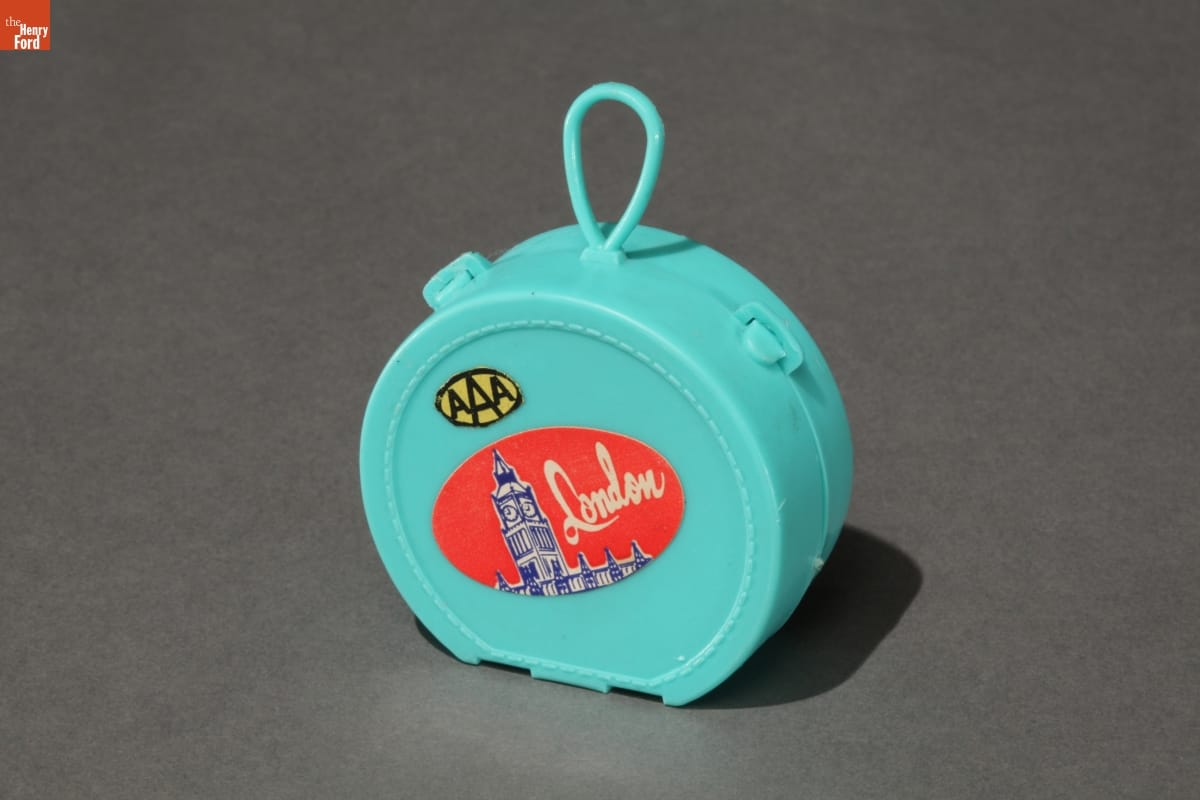
- AAA Souvenir Toy Suitcase, 1955-1975 -
- 1955-1975
- Collections - Artifact
AAA Souvenir Toy Suitcase, 1955-1975
- AAA Souvenir Toy Suitcase, 1955-1975 -
- 1955-1975
- Collections - Artifact
AAA Souvenir Toy Suitcase, 1955-1975
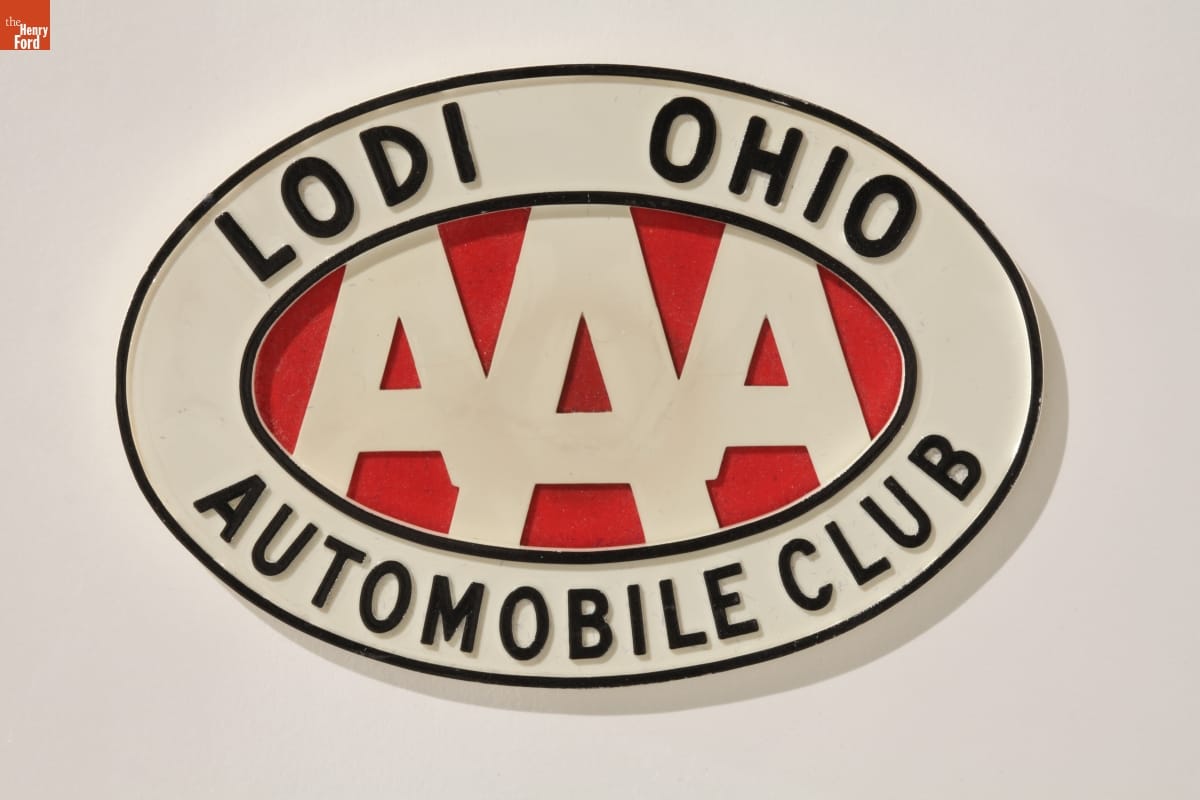
- Lodi Ohio AAA Badge, 1950-1970 - Twentieth-century motorists who belonged to automobile clubs attached badges or emblems to their vehicles. These membership badges were displayed prominently on radiators, license plates, bumpers, or elsewhere on the car. The badges helped identify members and promoted the organization. In the 1950s and 1960s, badges, like this one, were used by members of the Lodi, Ohio, Automobile Club.
- 1950-1970
- Collections - Artifact
Lodi Ohio AAA Badge, 1950-1970
Twentieth-century motorists who belonged to automobile clubs attached badges or emblems to their vehicles. These membership badges were displayed prominently on radiators, license plates, bumpers, or elsewhere on the car. The badges helped identify members and promoted the organization. In the 1950s and 1960s, badges, like this one, were used by members of the Lodi, Ohio, Automobile Club.
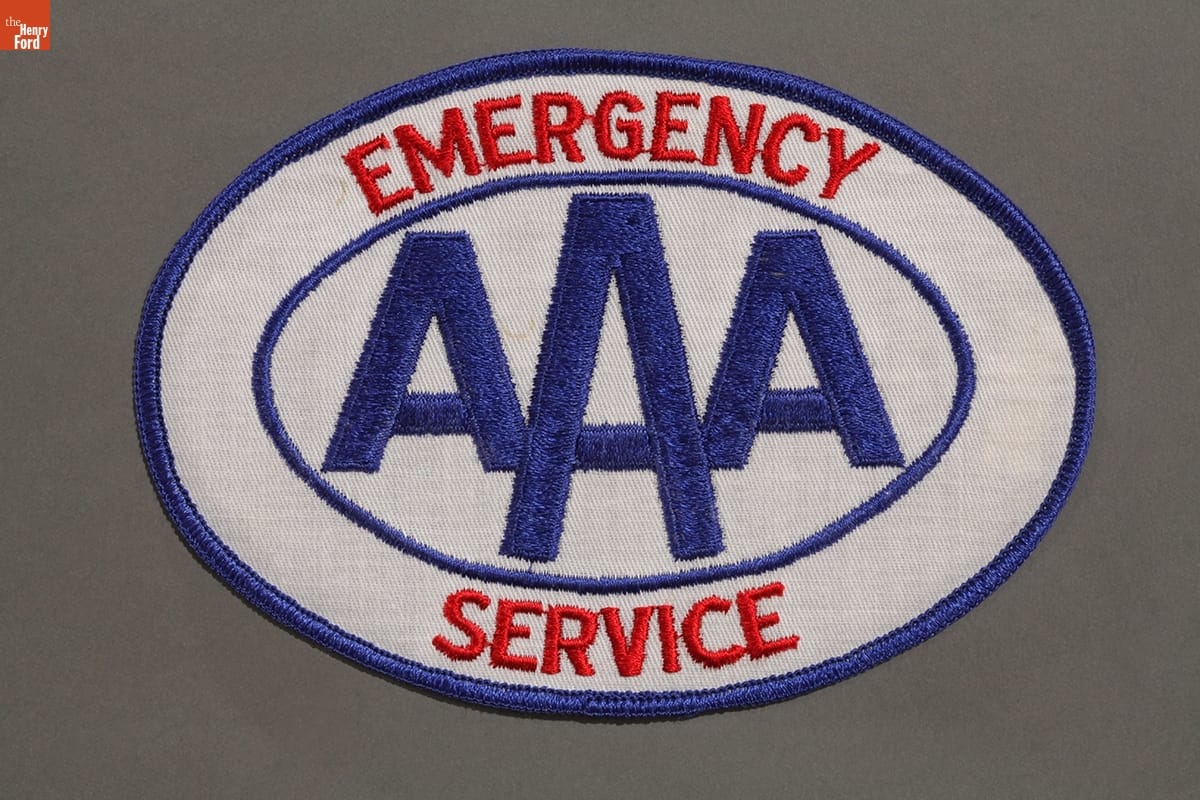
- AAA Emergency Service Patch, 1960-1980 - American Automobile Association (AAA) started emergency road service in 1915. Motorists who were not mechanically inclined and needed assistance could call on AAA to help when automobile problems occurred. AAA emergency service employees in the last half of the 20th century wore uniform patches, like this one, when they went to rescue stranded motorists.
- 1960-1980
- Collections - Artifact
AAA Emergency Service Patch, 1960-1980
American Automobile Association (AAA) started emergency road service in 1915. Motorists who were not mechanically inclined and needed assistance could call on AAA to help when automobile problems occurred. AAA emergency service employees in the last half of the 20th century wore uniform patches, like this one, when they went to rescue stranded motorists.
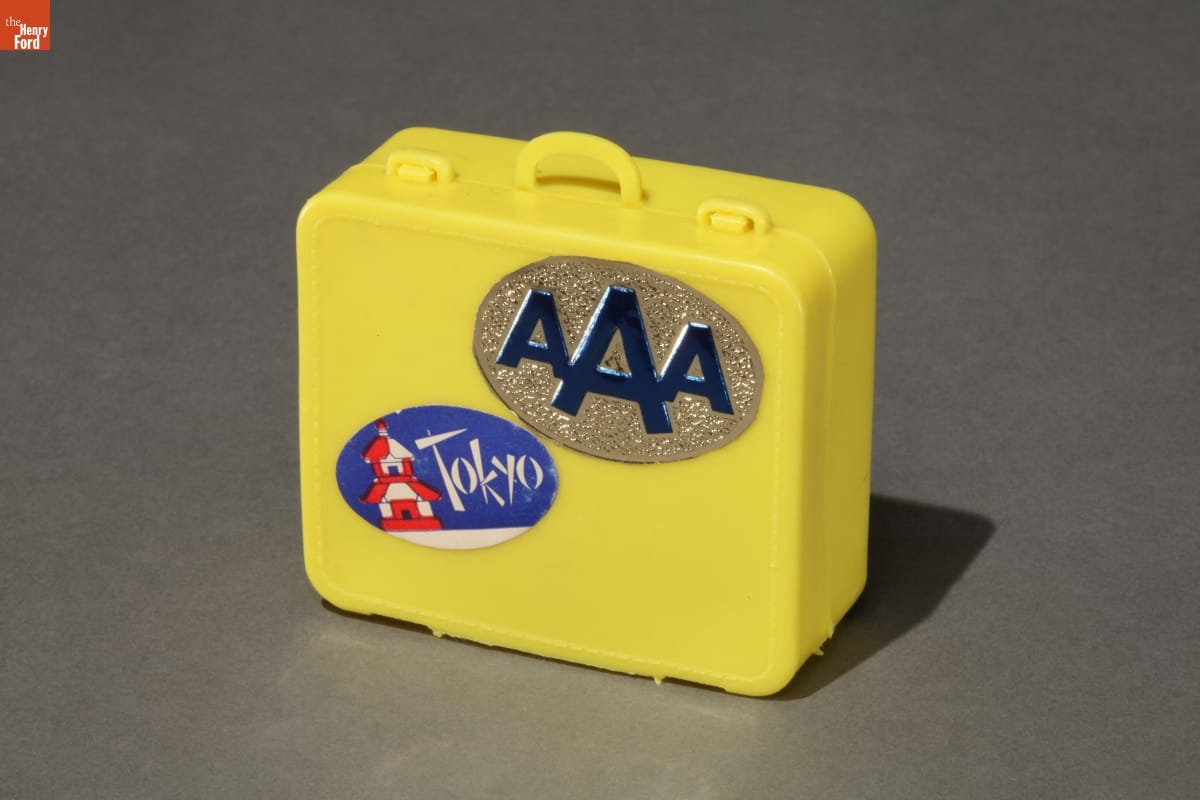
- AAA Souvenir Toy Suitcase, 1955-1975 -
- 1955-1975
- Collections - Artifact
AAA Souvenir Toy Suitcase, 1955-1975
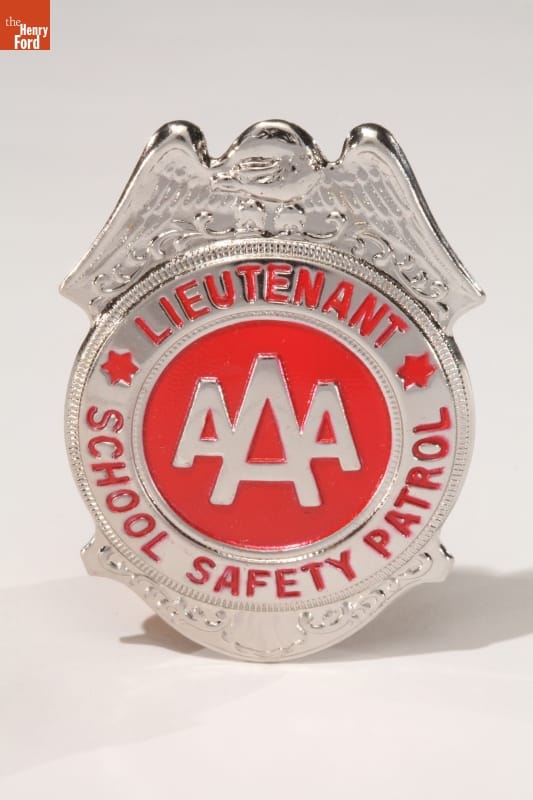
- AAA School Safety Patrol Lieutenant Badge, 1950-1965 - In 1920, the American Automobile Association (AAA) launched a safety program to protect school children from traffic dangers. School-aged patrollers, under adult supervision, wear belts and badges and help their classmates make it safely to school. This lieutenant's badge from the 1950s and 1960s would have been worn by a student who assisted the patrol captain.
- 1950-1965
- Collections - Artifact
AAA School Safety Patrol Lieutenant Badge, 1950-1965
In 1920, the American Automobile Association (AAA) launched a safety program to protect school children from traffic dangers. School-aged patrollers, under adult supervision, wear belts and badges and help their classmates make it safely to school. This lieutenant's badge from the 1950s and 1960s would have been worn by a student who assisted the patrol captain.
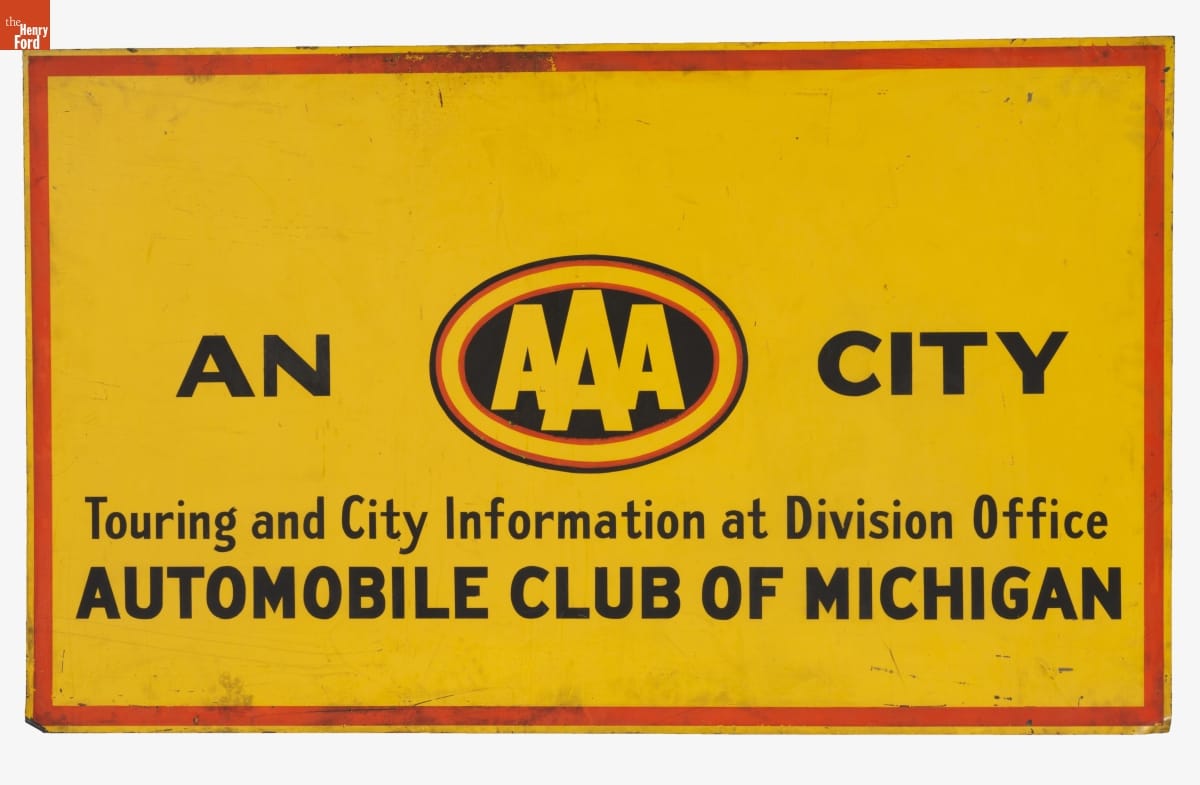
- AAA Automobile Club of Michigan Sign, 1930-1955 - The first automobile clubs were established to organize motoring tours and lobby for better roads. In time, their missions expanded to include other services. The Automobile Club of Michigan, founded in 1916, promoted tourism in the Great Lakes State by distributing maps, and by publishing guides to many of the state's restaurants, hotels, and tourist attractions.
- 1930-1955
- Collections - Artifact
AAA Automobile Club of Michigan Sign, 1930-1955
The first automobile clubs were established to organize motoring tours and lobby for better roads. In time, their missions expanded to include other services. The Automobile Club of Michigan, founded in 1916, promoted tourism in the Great Lakes State by distributing maps, and by publishing guides to many of the state's restaurants, hotels, and tourist attractions.